Getting it built, and making it last
oslo klima ledelse samferdsel politikerlivet
It is hard to build something new, but the real test is whether it stays when you leave. Last Monday I opened The Implementation Gap in Barcelona with a story about how a hard target was operationalised in Oslo, and why I think we managed to make the change last.
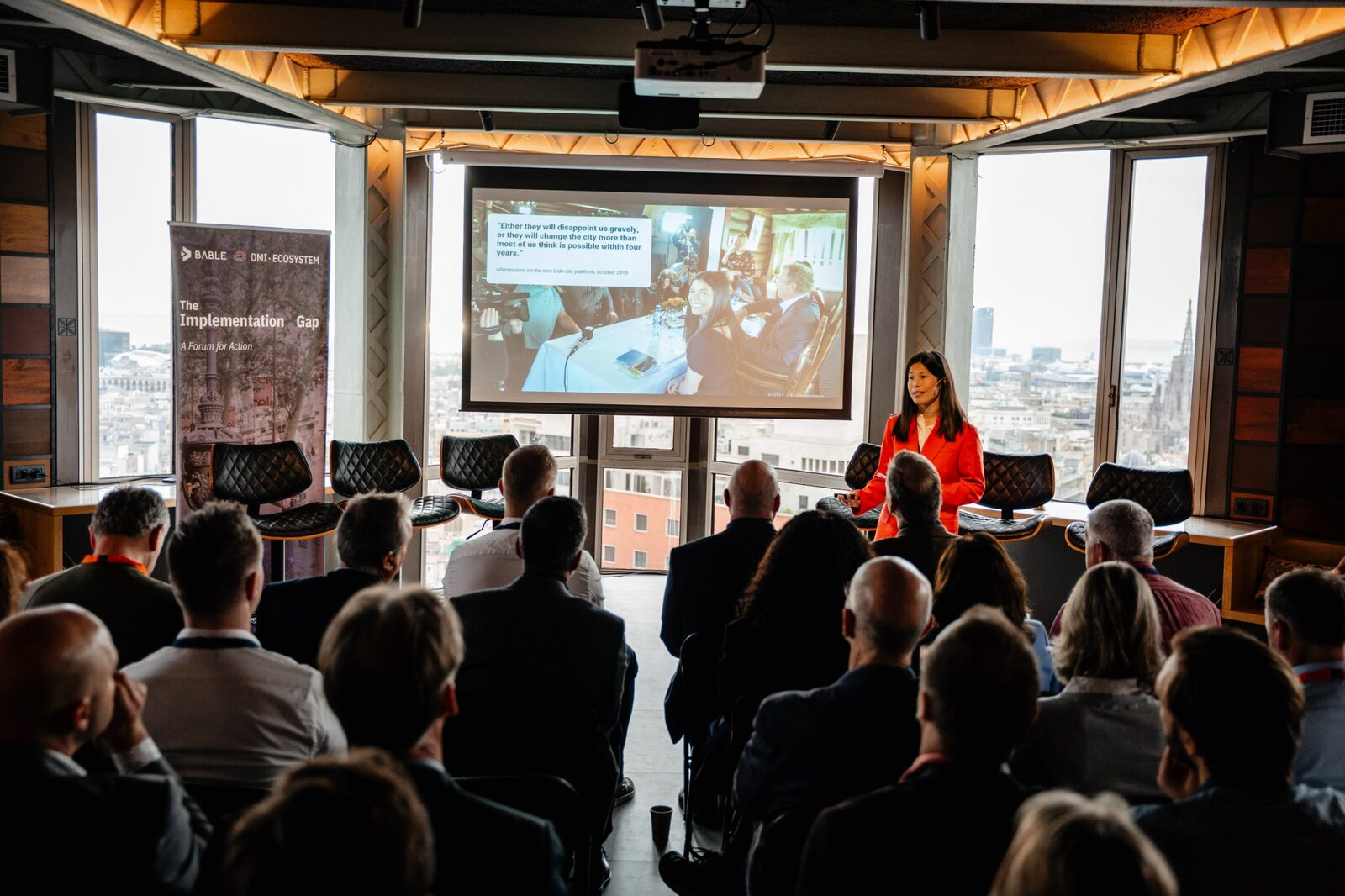
"Either they will disappoint us gravely, or they will change the city more than most of us think is possible within four years."
That is what Aftenposten wrote in October 2015, when the Greens, Labour and the Socialist Left presented our new city platform for Oslo. I had spent my twenties as a climate activist, fed up with politicians who talked about climate change and did nothing. Now I was the politician, and I was scared to death that I would turn out like them. There was no middle ground. We had put our heads on the table. I knew that we would either deliver or fail.
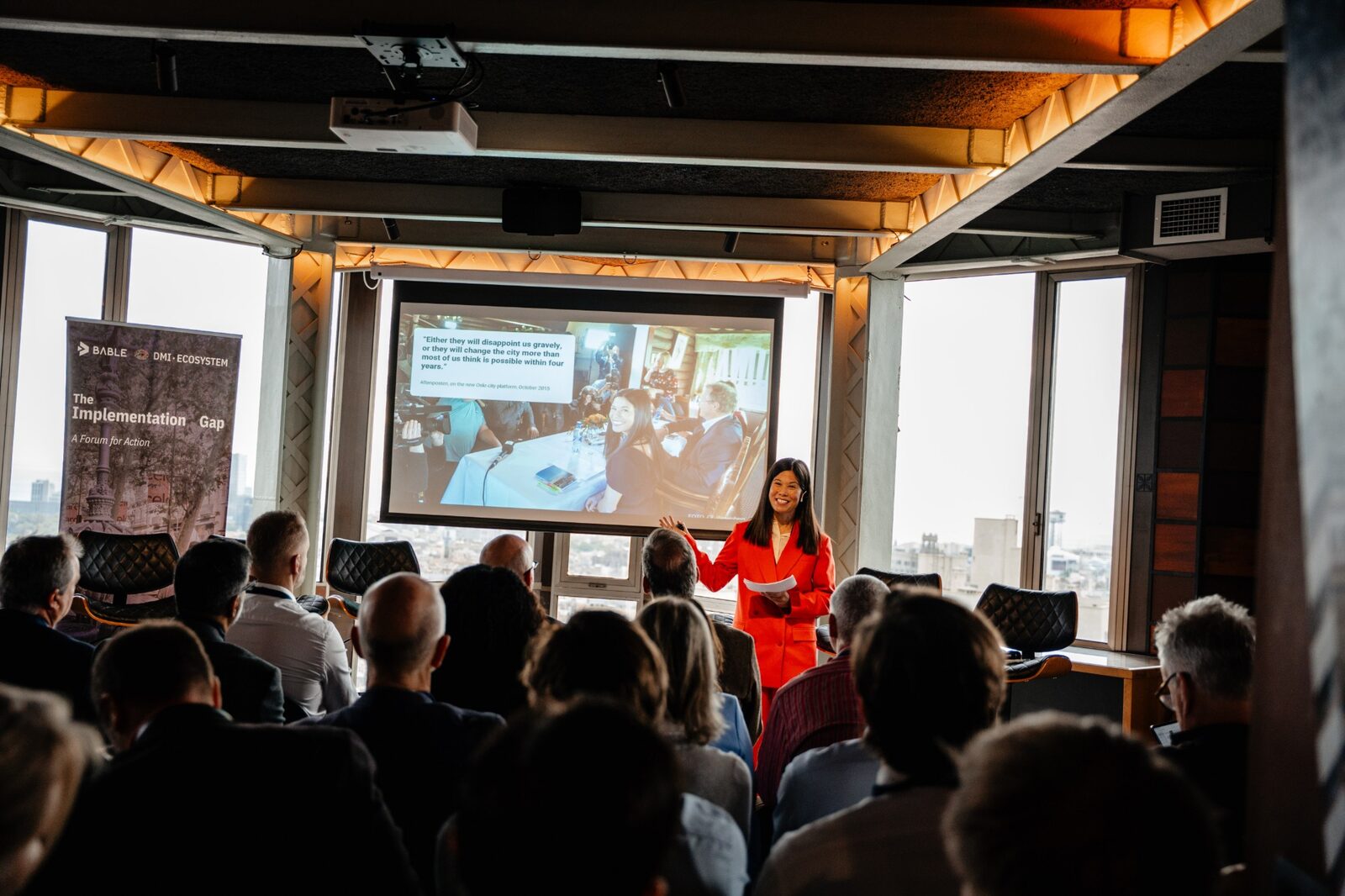
Opening the keynote with Aftenposten's verdict from 2015. Photo: BABLE
On 2 November I told that story to around 200 city leaders, officials and innovators from across Europe, the day before Smart City Expo opened in Barcelona. The argument of the day was that innovation stopped being the constraint a while ago, and delivery never caught up. The organisers asked me one question: What does it actually take to get a hard thing built, and to keep it built?
What got built
It was possible. Within the next years, the City Council adopted a plan to cut emissions by 95 percent by 2030. Oslo built a hundred kilometres of new or upgraded bike lanes, compared to 1.5 km a year on average before. We electrified all buses and ferries, opened the world's first emission-free construction site, and built car-free streets and public spaces. In 2019 Oslo became the European Green Capital.
For years, experts and politicians had said that anyone who carried out climate policy would be punished by the voters. Removing parking, toll stations, car-free streets: surely that was political suicide. It was not. In 2019, after four years of conflict and fierce resistance, the Greens almost doubled, from 8.1 to 15.3 percent.
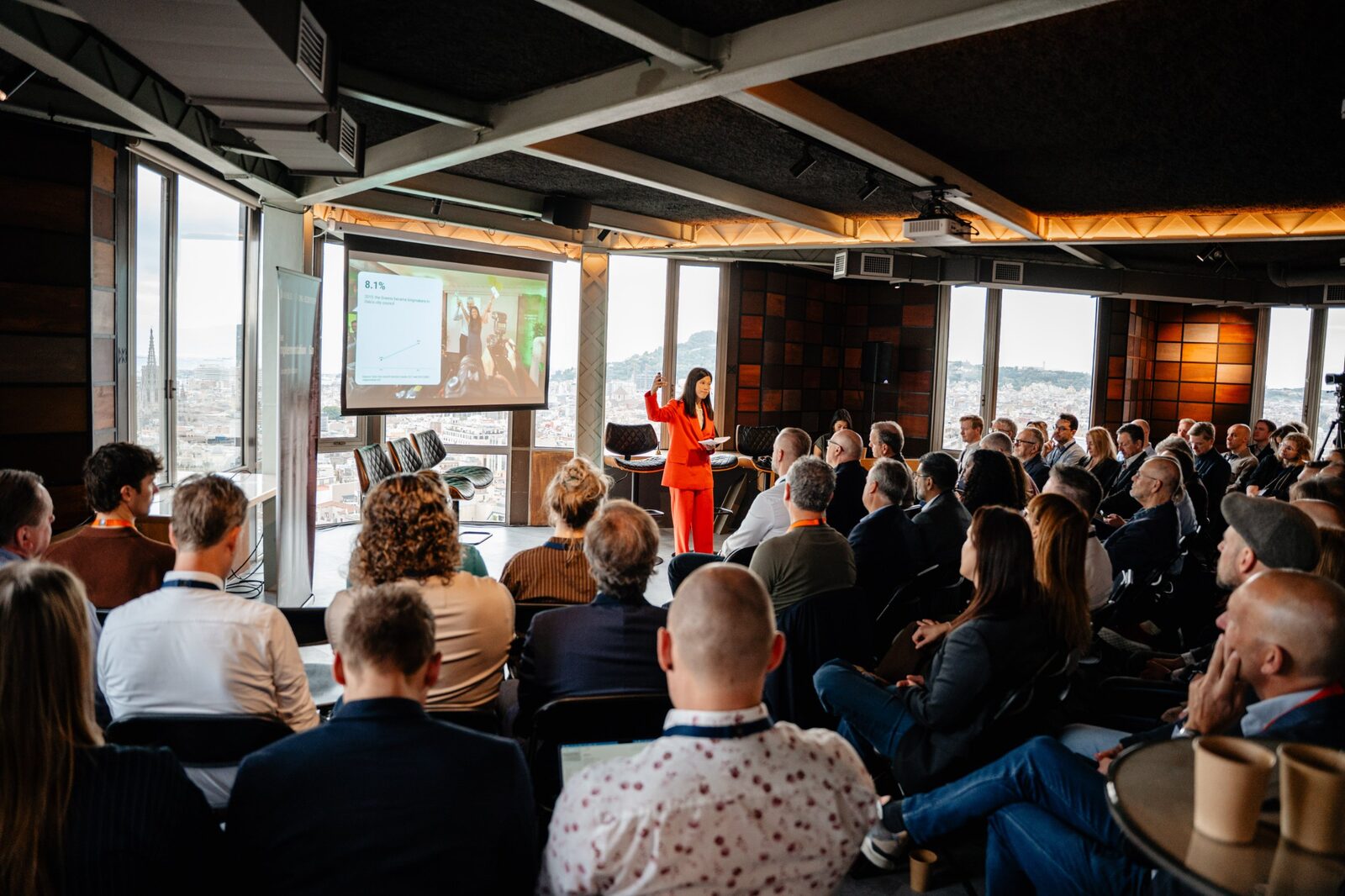
Election night 2015 made the Greens kingmakers in Oslo. Photo: BABLE
The real test
In 2023 the city government changed. A Conservative-led coalition took over City Hall, parties that had been sceptical of many of the measures throughout the years the red-green coalition was in government.
The target is still there. The climate budget is still there. That deserves credit. It is exactly what you want: a goal that survives a change of government.
Three lessons

Own it at the top. Build it into the system. Deliver it on the ground. Photo: BABLE
In the keynote I share why I think it stayed:
Own it at the top. Change must come from the top, and every leader at every level has to be accountable for their part of it.
Build it into the system. Use the budget and the governing systems you already have. We did not build a system on the side. Our slogan was: we count CO₂ the way we count money. The Oslo Climate Budget is now adopted by New York, London and Mumbai.
Deliver it on the ground. People do not like change, but they like the result. While the debate over each parking spot could be fierce, very few people want to go back now.
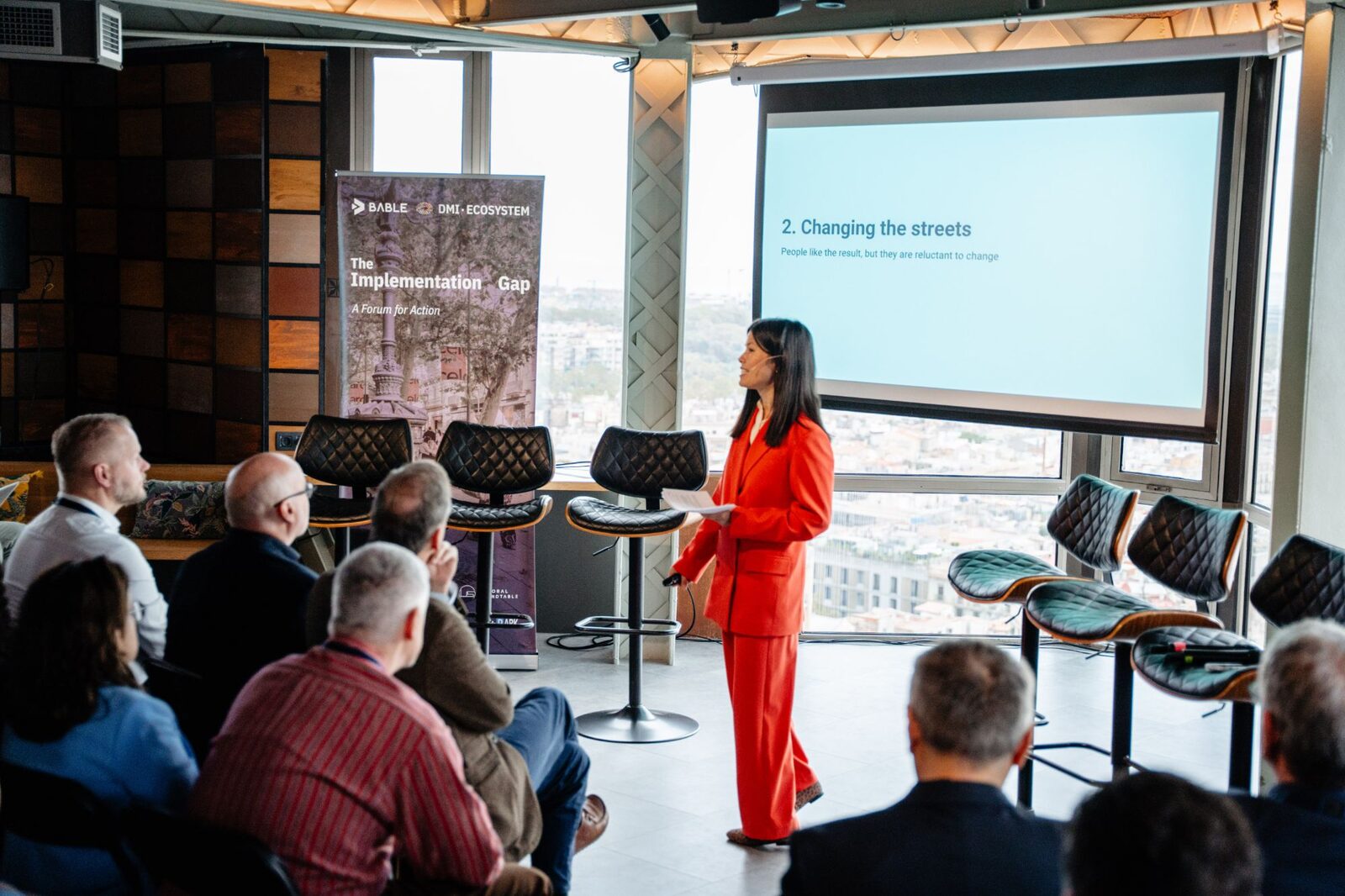
People like the result, but they are reluctant to change. Photo: BABLE
I also talk honestly about the price. Politics should be full of conflict. But no one should have to choose between taking part in democracy and feeling safe.
Invite me to speak

I am happy to give this keynote, in English or Norwegian, for cities, regions, organisations, businesses and conferences that want to know what it takes to get a hard thing built, and to keep it built. It can be tailored: from climate budgets and governance to urban transformation, leadership and standing firm under public pressure.
Thank you to BABLE and DMI Ecosystem for the invitation to The Implementation Gap in Barcelona. Together, cities can change the world.
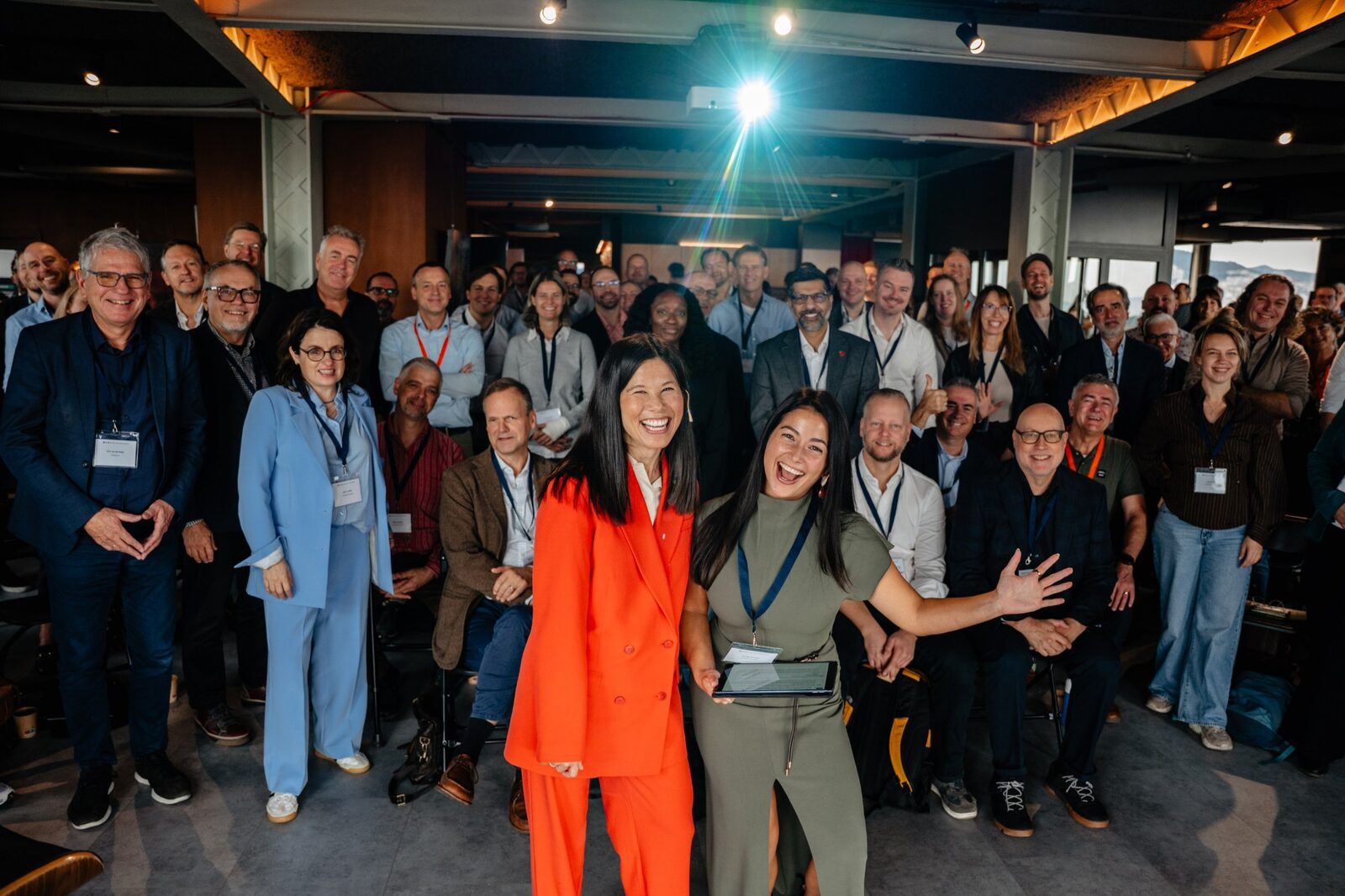
Thank you, Barcelona! Photo: BABLE
Want to follow along? Sign up for my newsletter.
Lan